September 8, 2026
The incidence of severe weather events is on the rise, leading to increased occurrences of storm-related damages across the globe. Whether it's a powerful hurricane sweeping through a coastal city or a severe thunderstorm causing havoc in a suburban neighborhood, the aftermath can be devastating. To mitigate the extensive damage these storms can inflict, engaging professional cleanup and restoration services is paramount. These services not only work to restore the structural integrity of properties but also ensure the safety and well-being of the inhabitants. Prompt action is crucial as it helps in avoiding further property loss and reducing potential health risks associated with storm-induced damages. Homeowners and business owners often turn to local damage restoration companies for rapid help when severe weather causes widespread property damage.
Understanding Storm Damage
Types of Storms and Their Potential Damage
Various types of storms, each presenting unique challenges and potential for damage, affect different regions. Hurricanes, tornadoes, and severe thunderstorms are particularly known for their destructive capabilities, often resulting in catastrophic damage to structures and the environment. High winds and floodwaters can lead to roof collapses, structural instability, and extensive water damage. Even smaller-scale windstorms and snowstorms pose significant risks, often causing power outages and toppled trees. Understanding the specific threats posed by different types of storms is essential for effective preparedness and response strategies.
Thunderstorms, for instance, can bring about both wind and water-related damages simultaneously. The coupling of heavy rainfall with strong gusts of winds can result in flooding and structural compromises. Tornadoes, with their funnel-shaped wind patterns, can be especially devastating, capable of leveling entire neighborhoods. Hurricanes, while predictable, can also cause wide-ranging effects from storm surges to intense rainfall, demanding comprehensive disaster management plans. By assessing the typical damage patterns associated with each storm type, professionals can tailor their response efforts effectively.
Another crucial area to tackle is the aftermath of snow and ice storms, which often result in prolonged power outages and dangerous road conditions. These storms can obstruct emergency and repair operations, further compounding the damage. Ice buildup can lead to roof collapses and structural cracks, necessitating urgent inspections and repairs. A holistic understanding of how different storms impact environments aids in better preparing for their arrival. Such preparedness includes developing early warning systems and community education on best response practices.
Common Areas Affected by Storms
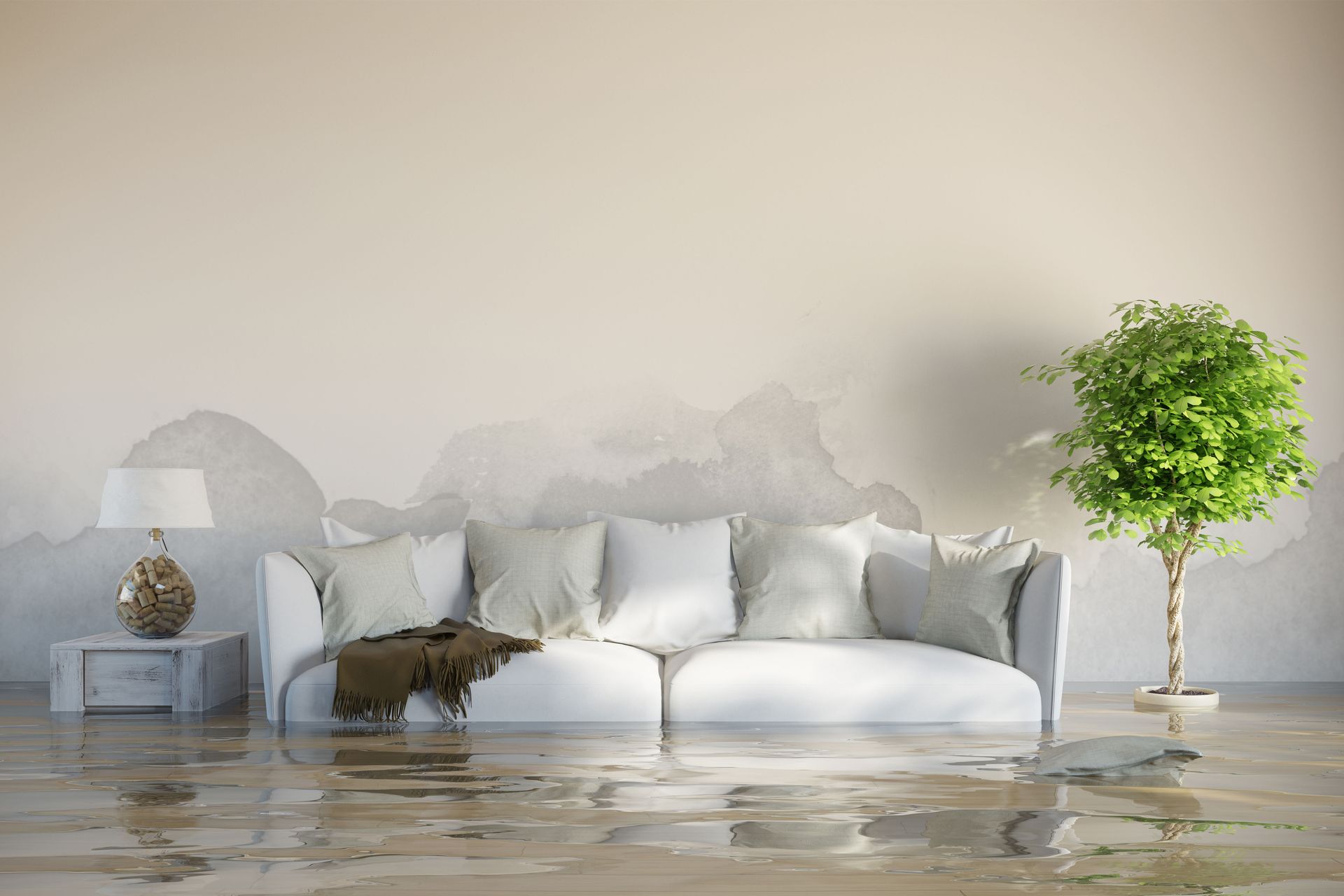
In residential and commercial properties, certain areas are particularly vulnerable during storms. Roofs, due to their exposure, bear the brunt of heavy rains, wind, and hail, often sustaining significant damage. Windows and doors, if not adequately fortified, are prone to breakage, presenting immediate safety hazards and potential for water intrusion. Basements and lower floors are highly susceptible to flooding, especially in flood-prone areas. Protecting these critical areas requires proactive measures such as reinforced roofing materials and storm-proof windows. Local damage restoration companies can inspect these vulnerable areas and identify where immediate stabilization or repairs are needed.
The exterior of buildings, including siding and gutters, also takes a significant hit during storms. Damaged or clogged gutters can exacerbate flooding by preventing proper water drainage. Additionally, outdoor equipment and electricity infrastructure might incur damage, leading to broader safety and operational issues. Communities must identify and address these weak points, fortifying their properties to withstand future storms. Simple steps like regular maintenance and inspections before storm season can drastically reduce potential damages.
Landscaping and surrounding vegetation are often overlooked but play a crucial role in storm damage dynamics. Uprooted trees and large branches can fall on structures, leading to severe damage and obstructing rescue efforts. Poorly maintained landscapes may also contribute to soil erosion and property instability during storms. Effective management of these factors, such as pruning trees and reinforcing soil, is a vital aspect of comprehensive storm preparedness. Homeowners and business operators need to integrate these considerations into their routine maintenance tasks.
The Immediate Impact on Homes and Businesses
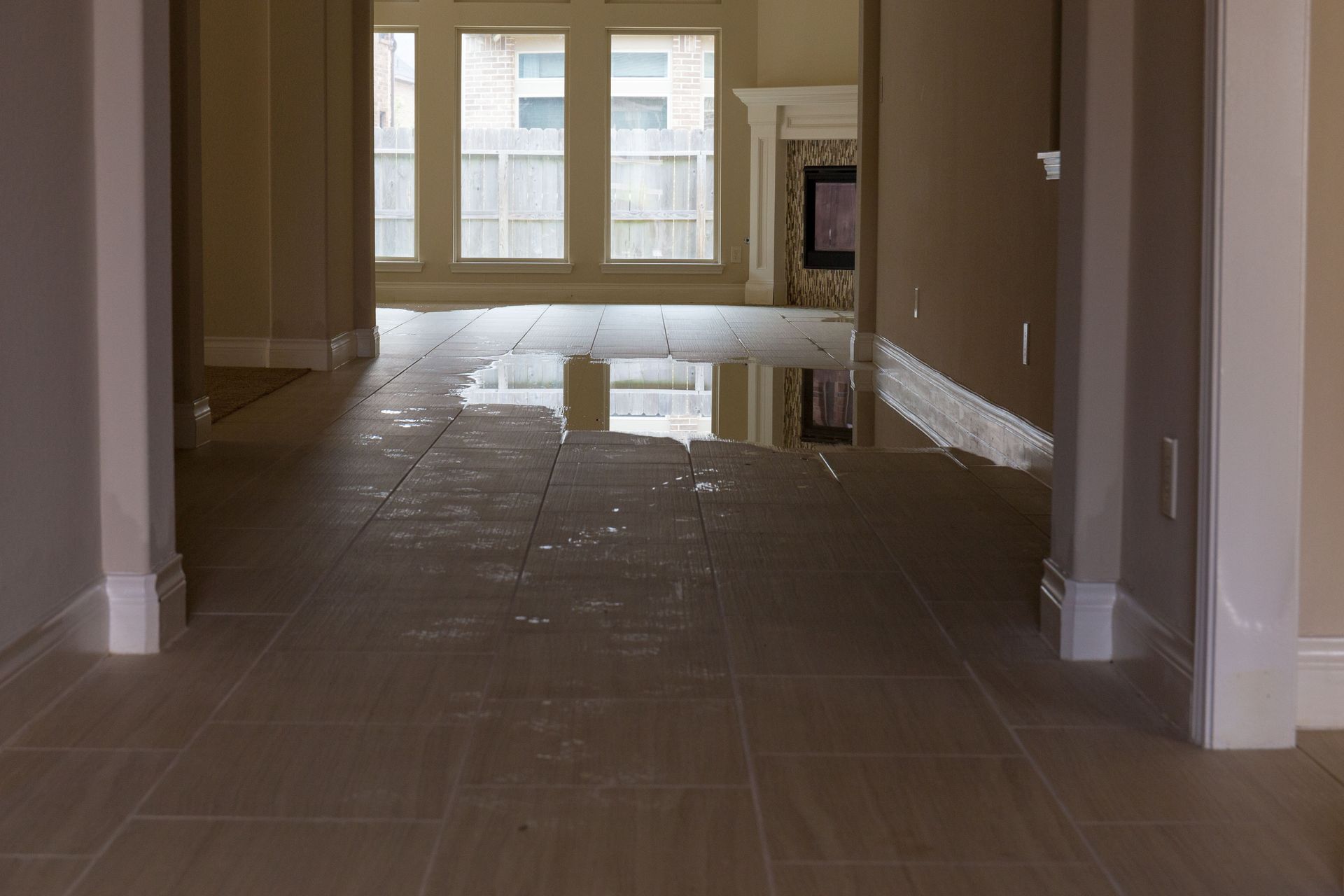
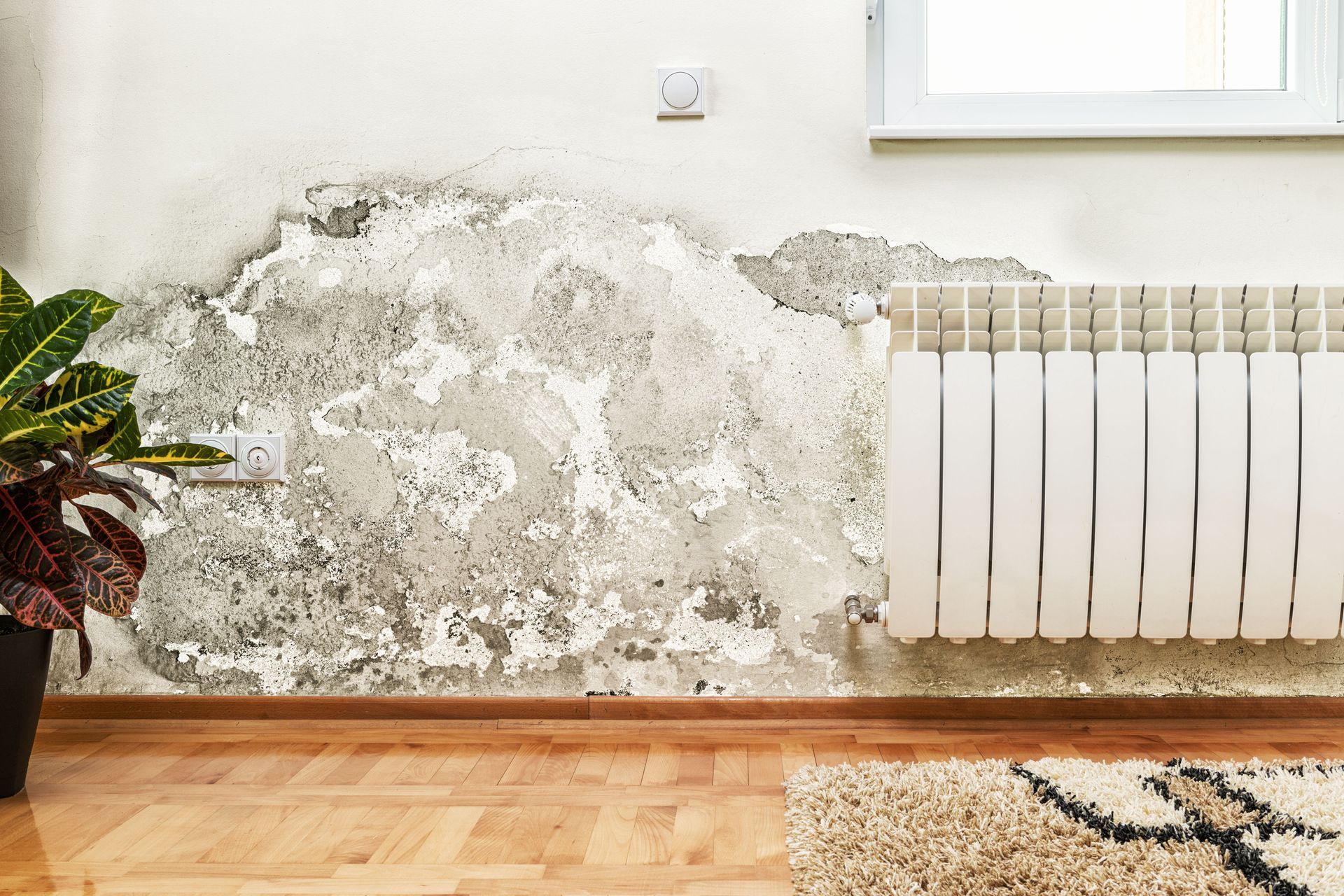
The immediate impact of storms on homes and businesses can be both visible and insidious. Water intrusion is a primary concern, causing immediate damage to walls, foundations, and electrical systems. Furthermore, water-soaked environments create perfect conditions for mold growth, which must be addressed within 24 to 48 hours according to EPA guidelines to prevent further health risks. Power outages interrupt normal operations, affecting everyday life and business productivity, often leading to financial strain. Quick, efficient action post-storm is critical to lessen these immediate impacts. Because the first hours after a storm can be critical, local damage restoration companies can help limit additional water intrusion, structural deterioration, and disruption.
Benefits of Hiring Professional Restoration Services
Expertise and Experience in Damage Assessment
When it comes to storm damage restoration, professional service providers bring a wealth of expertise and experience. Their extensive training equips them with the knowledge to assess and address various facets of storm-induced destruction accurately. This expertise ensures that no problem is too small to overlook, nor too large to address efficiently. They assess structural, electrical, and water damage, providing a comprehensive response that a layperson may not achieve. In situations where timing is critical, relying on experienced restoration professionals is crucial. Working with local damage restoration companies gives property owners access to experienced professionals who understand how to evaluate multiple types of storm-related damage.
Access to Advanced Tools and Techniques
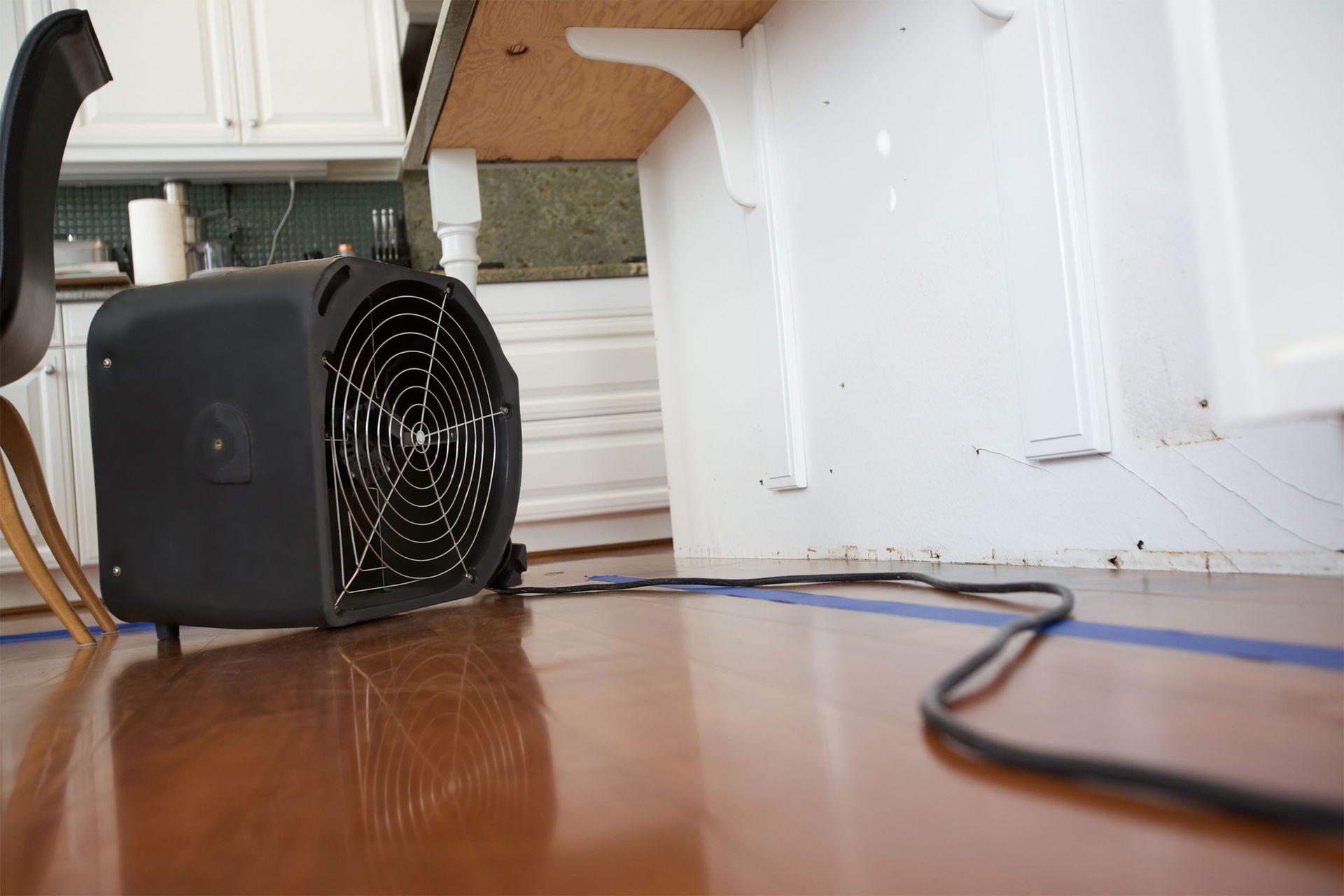
Modern restoration services utilize advanced tools and techniques that greatly enhance their efficiency and effectiveness. This access allows them to perform jobs promptly and thoroughly, minimizing disruption to clients' lives. For instance, high-powered extraction machines are used to remove standing water rapidly, preventing sustained damage and reducing mold risk. These advanced technologies are complemented by professional-grade drying equipment that effectively dehumidifies spaces, in line with the EPA's recommendation to manage water-damaged items within 24 to 48 hours. By applying state-of-the-art tools, professionals maintain high standards in restoration efforts. Many local damage restoration companies rely on professional extraction, drying, moisture-detection, and inspection equipment to support a more complete cleanup.
Beyond water extraction and drying, professionals use specialized equipment to tackle various types of structural and aesthetic damage. For example, sophisticated thermal imaging cameras help identify hidden moisture pockets behind walls and floors. Such information is invaluable for crafting precise restoration plans tailored to each client's specific needs. Crews also use materials and methods that are sensitive to environmental considerations, opting for biodegradable cleaning agents whenever possible, reducing the ecological footprint of restoration efforts. This holistic approach optimizes repair timelines and promotes sustainable rebuilding practices.
Another advantage of working with professional services is their investment in ongoing technological training and research. This commitment prepares them to deploy new, innovative techniques as they emerge, offering cutting-edge solutions to their clients. For property owners, it ensures their homes and businesses are protected by the most current and effective methods available. As technology advances, so too does the speed and quality of restoration services, resulting in even better client experiences. By leveraging technology, professionals enhance the resilience of communities in the face of worsening weather patterns.
Storm damage can create serious problems for both homes and businesses, especially when water intrusion, structural issues, and hidden moisture are not addressed quickly. Taking immediate action after severe weather can help limit additional damage, improve safety, and make the recovery process more manageable. Professional restoration teams have the equipment, experience, and resources needed to evaluate affected areas and carry out cleanup and repairs efficiently.
Working with local damage restoration companies can also make it easier to coordinate inspections, water removal, drying, repairs, and other necessary restoration services. By choosing qualified professionals and responding promptly after a storm, property owners can protect their buildings from long-term deterioration and begin returning to normal as soon as possible. Call 1-800 Water Damage of Harrisburg, PA today for more.