May 8, 2026
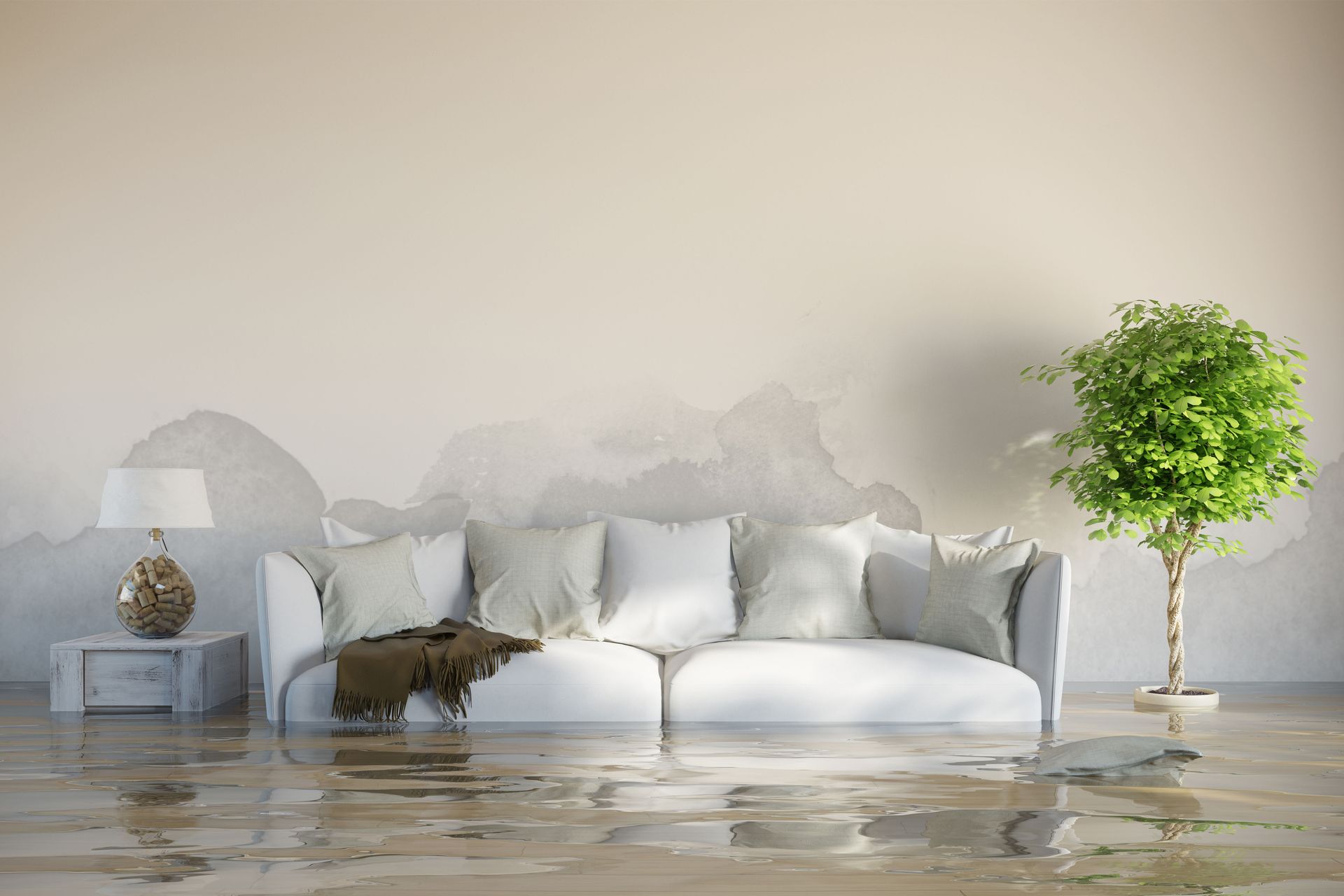
Dealing with unexpected water intrusion in your home or business can be one of the most overwhelming experiences a property owner faces. Whether the culprit is a burst pipe, a failing appliance, or a severe weather event, the immediate aftermath often feels like a race against time to prevent permanent structural issues and hazardous mold growth. Understanding the steps involved in the recovery journey is essential for maintaining peace of mind and ensuring that your property is returned to its pre-loss condition effectively. Professional damage restoration companies specialize in navigating these complex scenarios, employing advanced technology and standardized protocols to mitigate loss. According to Consumer Affairs, every year, insurance companies in the U.S. pay $13 billion toward water damage claims. This staggering figure highlights just how common these incidents are and why having a clear roadmap for the restoration process is vital for any modern homeowner. By familiarizing yourself with the standard phases of mitigation and repair, you can act decisively, coordinate better with your insurance provider, and ensure that the experts you hire are following the industry best practices necessary to protect your investment and your family’s long-term health and safety.
Assessing the Initial Impact
Evaluating the extent of the moisture intrusion is the first critical step taken by professional damage restoration companies when they arrive on the scene. Technicians utilize specialized moisture meters and thermal imaging cameras to identify hidden pockets of water behind drywall, under flooring, and within structural cavities that are not visible to the naked eye. This comprehensive survey allows the team to categorize the water quality, ranging from clean tap water to hazardous "black" water, and determine the class of liquid evaporation needed. By identifying every affected area immediately, the team creates a precise roadmap for the entire drying project.
Protecting Your Valuable Assets
Implementing emergency board-up or roof tarping services is often necessary to prevent further environmental exposure while the interior work begins. Many damage restoration companies prioritize staging your belongings to prevent secondary damage from high humidity or direct contact with standing water. This involves carefully moving furniture, electronics, and personal keepsakes to a dry, climate-controlled environment or "packing out" items for professional cleaning at an off-site facility. Proactive protection measures ensure that the cost of the claim stays manageable and that sentimental items are shielded from the corrosive effects of stagnant moisture and potential microbial growth during the long restoration period.
Extracting Excess Standing Water
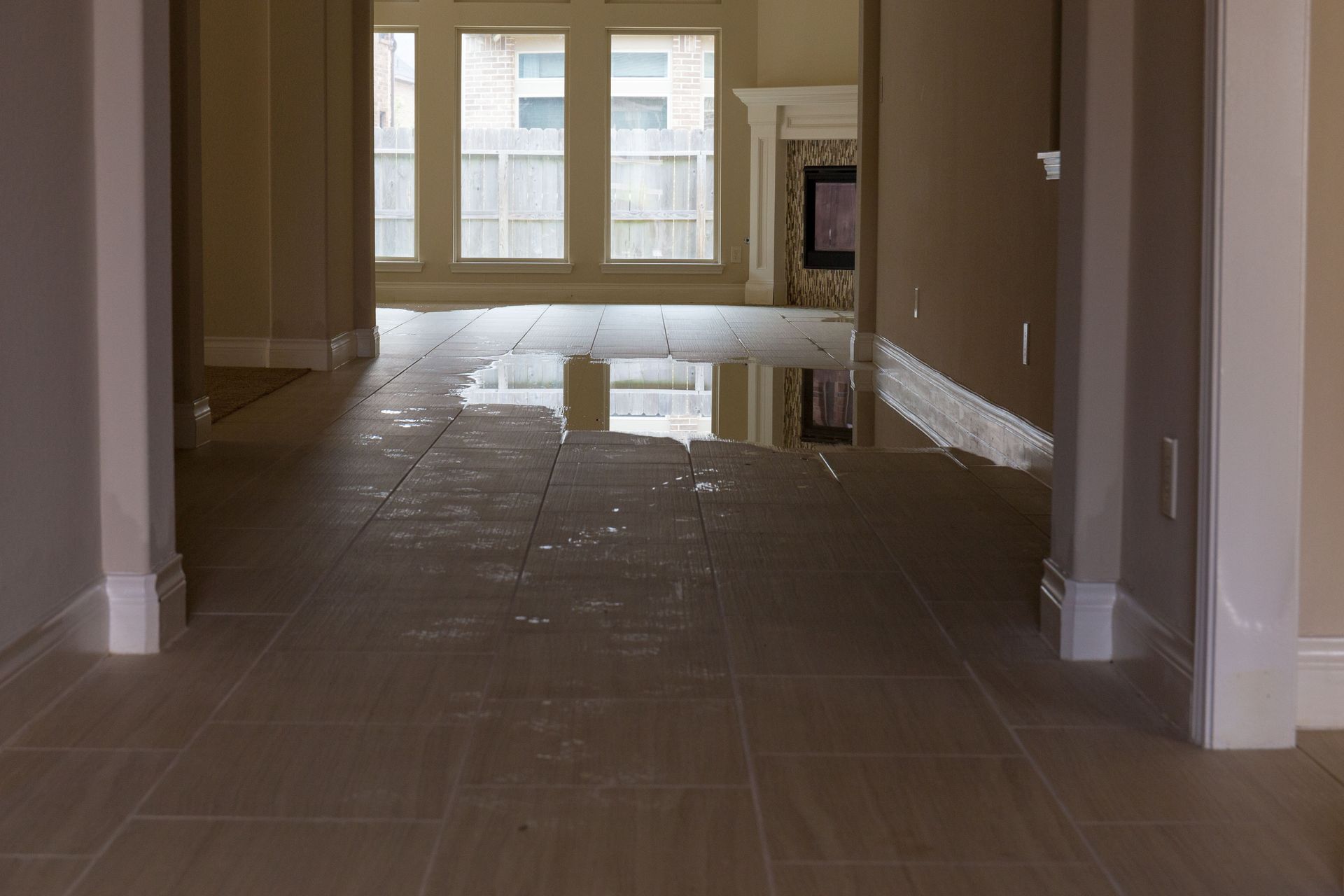
Removing the bulk of the liquid is an intensive physical process that requires powerful truck-mounted vacuum units and submersible pumps. Qualified damage restoration companies focus on high-volume extraction because physical removal is significantly faster and more efficient than relying solely on evaporation. Technicians may use weighted "ride-on" extractors to pull moisture from deep within carpet pads and upholstery, ensuring that as much liquid as possible is gone before the drying equipment is even turned on. This phase is crucial for reducing the overall drying time and preventing the water from migrating further into the structural framing of the building.
Drying the Structural Components
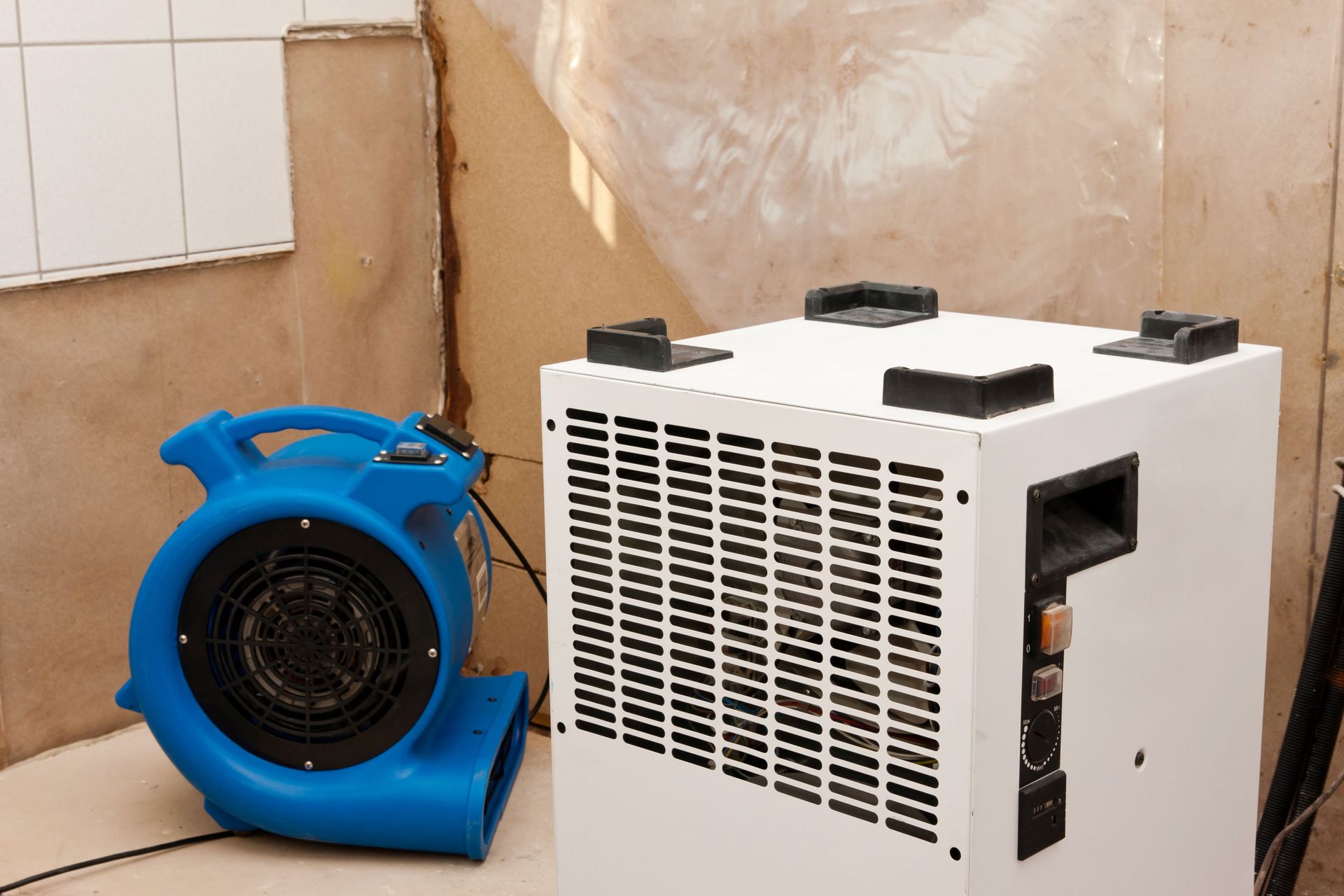
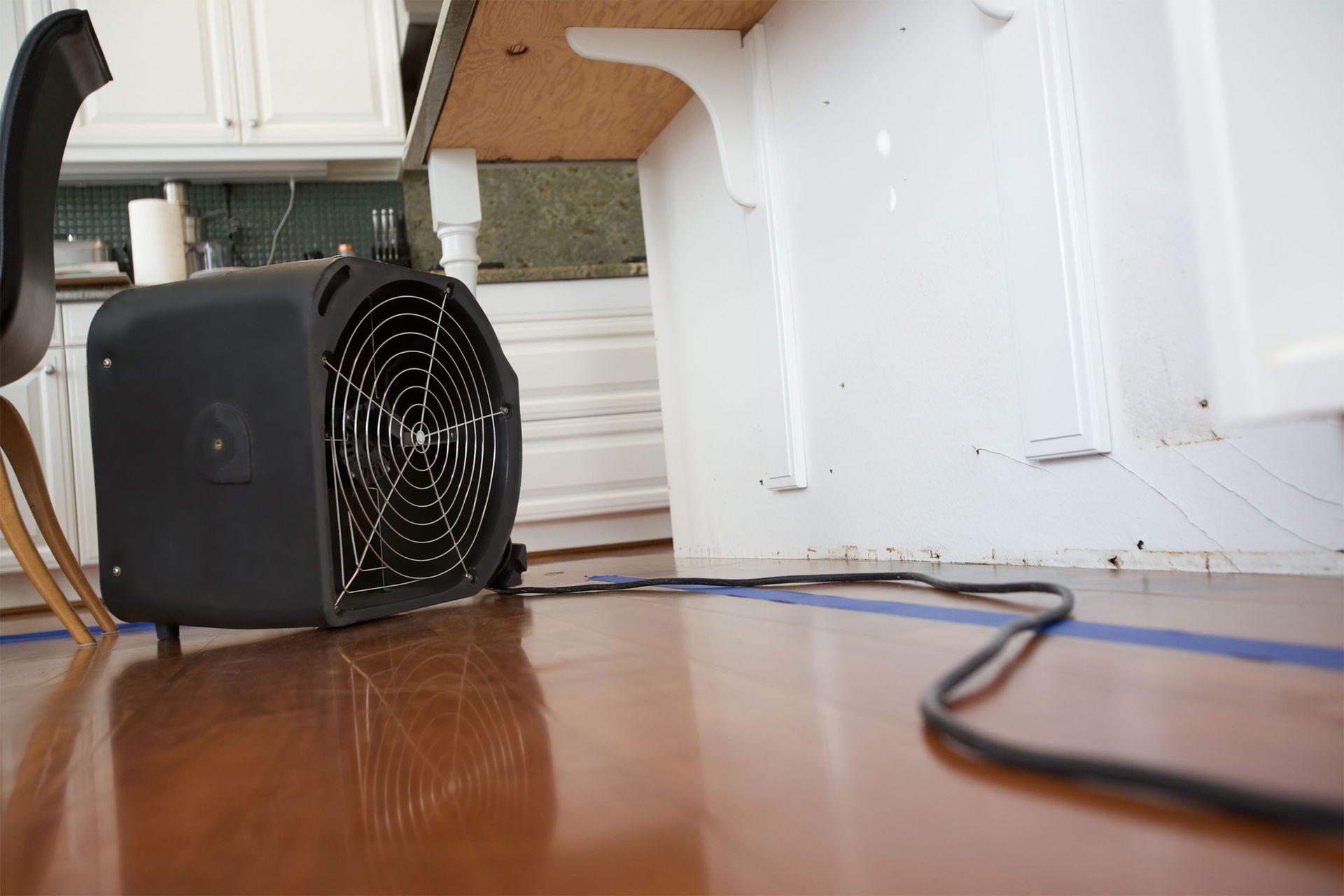
Deploying industrial-grade air movers and high-capacity dehumidifiers is the core of the stabilization phase used by most damage restoration companies. These machines work in tandem to create a "vortex" of dry air that pulls moisture out of porous materials like wood studs, subflooring, and masonry. Technicians monitor the "grains per pound" in the air to ensure the environment is conducive to rapid evaporation. Without this sophisticated equipment, deep-seated moisture could remain trapped for weeks, leading to rot or structural failure. Constant monitoring ensures that the equipment is adjusted as the materials reach their dry standard, preventing over-drying or lingering dampness.
Cleaning and Sanitizing Surfaces
Scrubbing and disinfecting the affected areas is a non-negotiable step to ensure the environment is safe for human habitation. Since water can carry bacteria, viruses, and various allergens, reputable damage restoration companies use EPA-approved antimicrobial treatments to kill any lingering pathogens. This process includes cleaning HVAC ducts to prevent the spread of spores and using HEPA-filtered air scrubbers to remove airborne particulates. Whether the water was clean or contaminated, sanitization provides a necessary layer of protection against "musty" odors and long-term health risks. This phase ensures that the "invisible" damage is handled as thoroughly as the visible mess.
Monitoring the Drying Progress
Tracking the daily moisture readings is how professionals verify that the home is actually returning to a safe equilibrium. Experienced damage restoration companies don't just guess when a room is dry; they use documented data points to prove that the structural integrity is restored. Technicians visit the site every twenty-four hours to check the progress of the dehumidification and move air movers to focus on "stubborn" spots that are holding onto water. This rigorous documentation is often required by insurance adjusters to validate the claim. Detailed logs provide the evidence needed to move from the mitigation phase into the final reconstruction phase.
Repairing the Finished Materials
Rebuilding the sections of the home that were too damaged to be saved is the final step in the physical journey. This involves hanging new drywall, installing fresh carpeting or hardwood, and repainting walls to match the original aesthetic of the home. Many homeowners choose to work with damage restoration experts who offer full-service general contracting to ensure a seamless transition from the drying phase to the finishing phase. Skilled tradespeople ensure that the new materials are integrated perfectly with the old ones, making it look as though the flood never happened. This phase restores the comfort and beauty of your living space.
Finalizing the Insurance Paperwork
Navigating the administrative side of a claim is often the most stressful part of the entire experience for property owners. Professional restoration teams assist by providing itemized lists of all tasks performed, along with photographic evidence and moisture maps to satisfy the insurance carrier’s requirements. They often work directly with adjusters to ensure that the scope of work is fully covered under the policy guidelines. Having a clear line of communication between the restoration contractor and the insurance agent prevents delays in payment and ensures that the homeowner isn't left with unexpected out-of-pocket expenses. This administrative support brings the project to a formal close.
Implementing Mold Prevention Strategies
Preventing the growth of fungal colonies is a critical priority that professional damage restoration companies address immediately following the initial drying phase. Because mold spores can begin to colonize on damp organic surfaces like paper-faced drywall and wood within twenty-four to forty-eight hours, technicians apply specialized fungicidal coatings to vulnerable structural members. These preventative barriers inhibit the germination of spores that may have been activated by the recent spike in humidity. By treating the "skeleton" of the building before the new walls are sealed, the team ensures that the home remains biologically safe and odor-free long after the visible repairs are finished.
Completing a water damage project is a marathon, not a sprint, and success depends heavily on the partnership between the homeowner and the professionals they choose to hire. While the initial sight of a flooded basement or a leaking ceiling is traumatic, the structured approach taken by modern restoration experts ensures that even the most severe losses can be rectified. From the first moment of extraction to the final coat of paint, every step is designed to stabilize the environment and protect the long-term value of your property. By following these industry standards, you ensure that your home remains a safe, dry, and healthy sanctuary for years to come. If you are seeking out damage restoration companies in the Harrisburg, PA area, contact the professionals at 1-800 Water Damage of Harrisburg, PA today.